

Bio-fuels and Bio-renwable Chemicals are not new territories for …
… a team whose members have been developing projects in the sugar, pulp & paper, chemical and ethanol industry for the last 30 years;
12 of these years have been spent developing and commercialising biomass processing technology that can handle a variety of feedstock (e.g. agricultural or forest residues, sugarcane/sweet-stem-sorghum bagasse or pulping liquors).
Our solutions for biorefining create enterprises in rural areas, which means new jobs!
Our solution offer biobased industries (e.g. sugar or pulp&paper) added value to maintain jobs!
See how we put this into practice:
Example 1: µ-BioRefinery™
µ-BioRefinery™
This is a scaled-down version of the GreenEnergyPark™ (see link below). Biorefineries need to be in proximity of a secure supply of feedstock. This can be achieved by co-locating large facilities next to e.g. a sugar mill (see below) or alternatively, build (multiple) smaller plants closer in decentralised rural locations.
Example 2: Biomass harvesting, transporting and storing
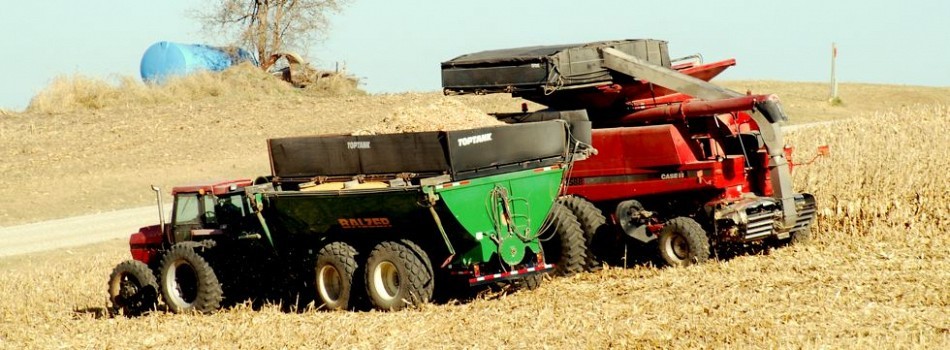
RRS™ (TopTank and CleanBot) by FarmMax, LLC
Our team is complemented by a network of specialists (plant breeders, plant pathologists, farmers, foresters, logistics experts, etc.) whose collective experience enables us to provided solutions for a variety of biomass and their harvesting, transportation and storage requirements.
Example 3: Co-located at Sugar Mills
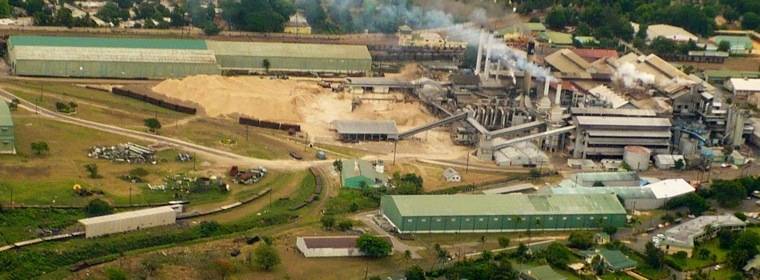
Largest Furfural Plant in the World (Dominican Republic) (Picture: DalinYebo)
To extract furfural from bagasse, prior its further processing, is very viable diversification alternative and integrates into new or existing sugar mills, whether they make ethanol, sugar or both. In future (we predict that) bagasse “treated by furfural removal” will also be used as an ideal feedstock for the production of cellulosic ethanol.
Example 4: Paid4Pretreatment™

Pre-Treatment
DalinYebo’s biorefining specifically targets the recovery of the hemicellulose (and the lignins), which then renders a pretreated cellulosic residue as an ideal feedstock for e.g. cellulosic ethanol. Our sole interest is the conversion of the pentosans, i.e. the majority of the hemicelluloses, into value added chemicals, thus removing them from the biomass. For that we have developed greenfields and bolt-on solutions that integrate into existing processes. The resulting residue is then available for downstream processing and can be conditioned for specific applications.
Important Goals
All of the above examples have common goals, such a
Creation of rural enterprises (jobs)
Maintaining jobs in the established biomass processing industries (e.g. sugar and pulp)
Extra revenue for (small-scale) farmers
Poverty Alleviation
Socio-economic and Other Solutions
In addition, our approach to biorefining will position any businesses (or country) to offer solutions to:
Food Security
Enterprise Development
Poverty Alleviation
Cleantech
Sustainability: PPP (People, Plant and Profit)
Wealth Creation: DalinYebo is Xhosa for wealth creation. It is about empowering people to move beyond the struggle of fulfilling only their basic needs.
