
Combined Blogs
Recent Posts

Australia: Sugar set for ‘Energycane’ Reinvention

Sugarcane Fields at Shongweni – South Africa (Image: DalinYebo)
Gene-editing sugarcane for use in renewable energy and bio-plastics could help secure the industry’s future.

Biomass Gasification, the Lesser Known Renewable…
WWII car with woodgas generator (Bundesarchive, Germany)
Biomass gasification technology is over a century old with its implementations in power production dating back as early as 1878.
The technology utilizes inclompete combustion of organic materials to produce a unique gas consisting of nitrogen, carbon monoxide, carbon dioxide, methane, hydrogen and water, referred to as Producer Gas. This Producer gas can be used for the production of biofuels or power generation through the firing of a gas engine, gas turbine or steam turbine boiler systems.
The more widely used application for the technology internationally, is for biofuel production, due to the greater commercial viability of the application in developed energy markets such as Europe. This use for the technology gained significant focus in Germany during World War 2, when the Nazi government hoped to gain greater independence from the international oil market due to international fuel sanctions placed on the war-faring nation at the time.
The use of the technology gained further favour from 1970 to 1980, when rising fuel prices forced the global market to place increased focus on the development of alternative fuel sources. With the decrease in global oil prices following the 1980’s, biomass gasfication lost favour in the international energy market with little technological or market development taking place.
It was only until the turn of the milenium, when global trends in environmental awareness and carbon emission reduction was placing strain on the international energy sector and international oil prices began to increase sharply, that biomass gasification regained a foothold in the market. (Ref.: Extract from EnviroTech Investor, 1 Dec 2010)
DalinYebo’s View:
Again and again we see organisations (Universities or private corporations) promoting “renewable” process technology, that has combustion of biomass at its core, with no consideration given to the fact that combustion generates greenhouse gases.
Biomass captures CO2, so don’t release it!
At DalinYebo, we focus on and support organsiations who wish to retain the hemicellulose fraction (C5 ‘sugars’/molecules) of biomass into value-added, bio-based products, without destroying it, i.e. releasing Greenhouse Gases
Tag: Furfural and its many By-products | Search: Biomass | Explore: GreenEnergyPark™
DalinYebo: Bioeconomy Consultants
Technology . Markets . Knowhow
NB: The above extract of the article below is posted ‘as is’, i.e. it has not been validated nor is its re-blogging an endorsement by DalinYebo


Pulp Miller’s Strategy: Integrate Biochemicals (Furfural)

Sappi announced further progress in the development of its biorefinery capacity with the confirmation that it will construct a demonstration plant to further scale up its novel Xylex® technology for the production of Xylitol and Furfural (Image: thepaperstory.co.za, Sappi Ngodwana).
Pulp Mills are an ideal source of large amounts of ‘free pentoses’, from which furfural is made.
Finally [1], the paper industry is moving into the furfural biorefining space. Great News!

Plastics from sugar: the end to petrochemicals?
Research Success Story about EnzOx2 (Image: enzox2.eu).
The EnzOx2 Project is a Research & Innovation Action funded by the Bio-based Industries Joint Undertaking, …
… a Public-Private Partnership between the EU (under H2020 framework programme) and the Bio-based Industries Consortium. Twelve participants from five European countries will join efforts for the sustainable production of chemical building blocks and other added value products from plant biomass using enzymatic technologies. read more…

Avocado Furan: Natural Insecticide
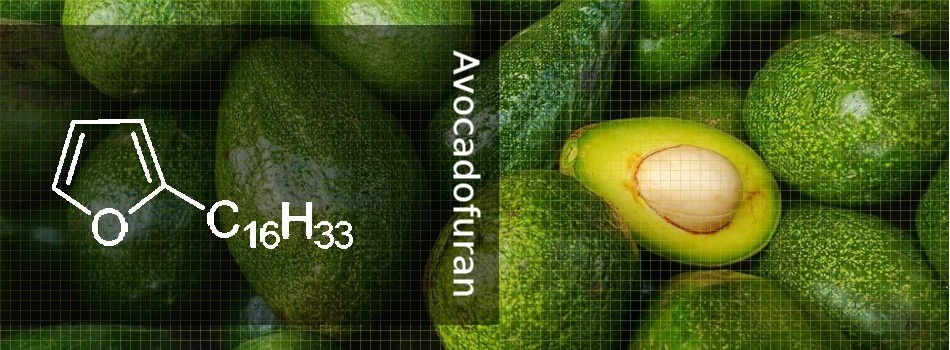
Avocadofurans are new nontoxic insecticides which would be effective against common crop insect pest.
Avocadofurans are new nontoxic insecticides which would be effective against common crop insect pest.

Bioenergy crops could store more carbon in soil
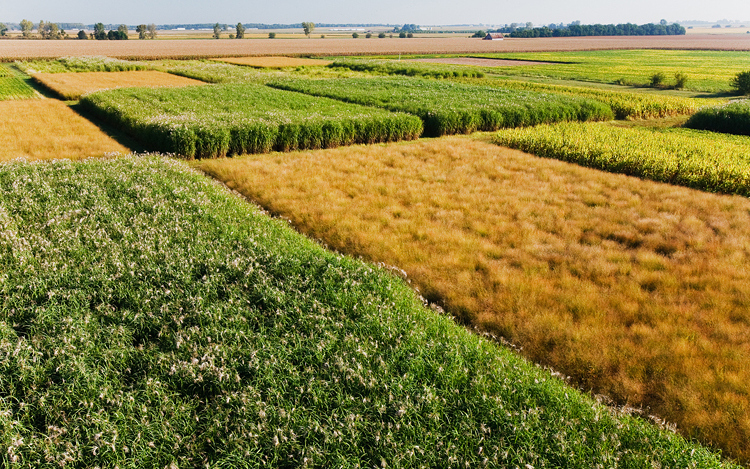
Biomass research plots (miscanthus and switchgrass) on SoyFace plots on UI South Farms.
In addition to providing renewable energy, grass crops like switchgrass and miscanthus could store some of the carbon they pull from the atmosphere in the soil. read more…
Additional Posts

Add More Value to Sugarcane Bagasse (& Trash)

Plastic Bottles from Carbon Dioxide and a Furfural Derivative

Introducing: Biomass.Market
Disruption With A Difference
All Biomass is local! It does not makes economic sense to ship it long distances!
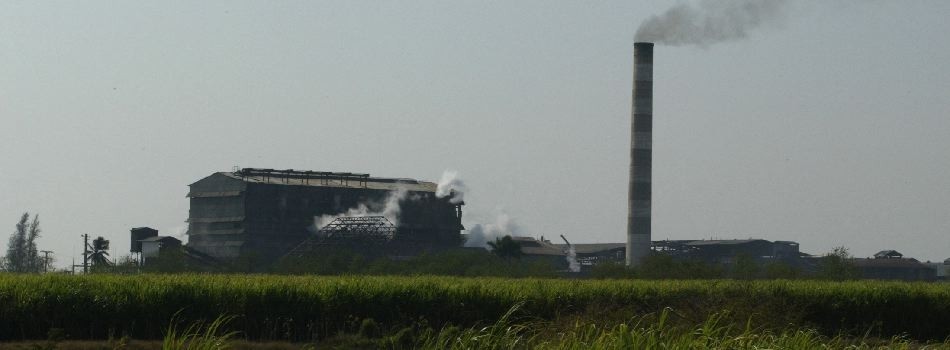
Bagasse and Blended Biomass Cogeneration: A Case for Furfural!
The 5 de Septiembre sugar mill in the Cuban province of Cienfuegos.
Blended Biomass allows more Bagasse as Feedstock for Furfural!

Beautiful Biotechnology for Biofuels
Propane-synthesis (Bio-refinery)
µ-BioRefinery™ or n-BioRefinery™ are two of DalinYebo’s biorefining platforms that are designed for future technologies ..
.. such as the one described in the the following research article below. read more…
